
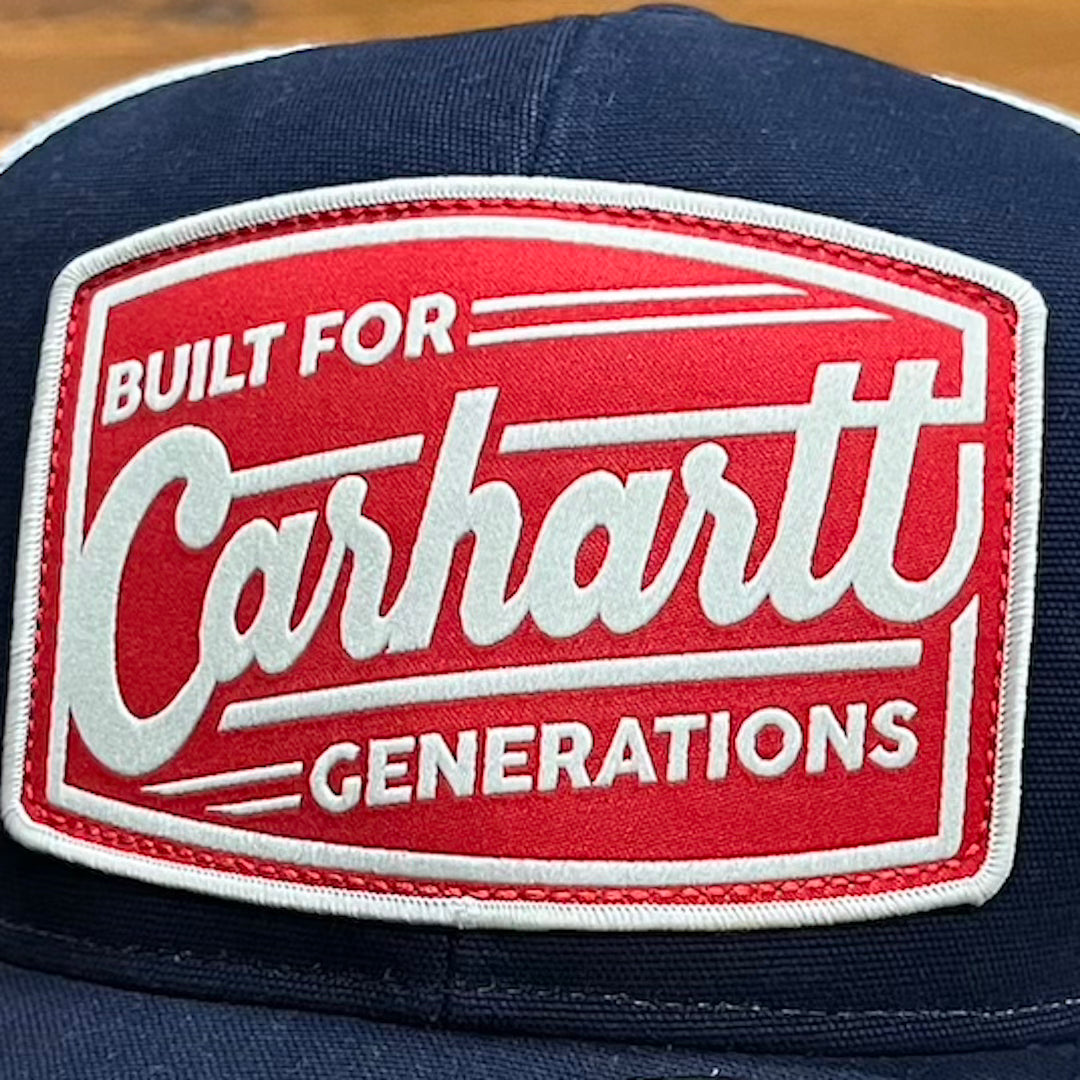
The year 1889 marked a big year across the globe. The Eiffel Tower was unveiled in the City of Lights. Coca-Cola made its debut in an Atlanta drugstore. In Rochester, New York, George Eastman introduced a roll of transparent film that he named Kodak.
And in Detroit, Hamilton Carhartt founded a no-nonsense workwear company with a mission to craft durable clothing for industrial workers, railroad laborers, famers, and tradespeople who needed garments that could take a beating.
Those first sought-after garments included duck canvas overalls and denim work pants, chore coats designed for utility and durability, and heavy-duty jackets built to withstand harsh weather. They weren’t necessarily designed for looks. They were purpose-built, and that purpose was work. And Mr. Carhartt hit on something - authenticity equals staying power. Those overalls, work pants, and heavy jackets are among the same items you’ll find on our shelves today.
We’ve still got the overalls your grandpa loves, and we still sell a bunch of them. But Carhartt has evolved into so much more. The company has embraced a tradition that includes more fashion-forward presence. That didn’t happen overnight, and it wasn’t a deliberate rebrand. Instead, it was an organic cultural shift that saw people outside of the trades starting to wear genuine workwear pieces because they appreciated their aesthetics and toughness.
By the 1980s and 1990s, urban communities, especially in New York, adopted Carhartt jackets and thermal layers for reasons of utility, warmth, practicality - and eventually, style. Hip-hop and street culture played a major role in the shift, and soon a brand that was once purely workwear began to take on a new identity.
One of the first products that made the crossover was the Carhartt watch cap, known in a popular version today as the A18 beanie. It was introduced in the late 1980s as a practical winter hat. It quickly became a streetwear staple. Now, it comes in an array of colors both core and seasonal, and has sold millions of units around the world.
Carhartt’s fashion success didn’t come from chasing trends but from embracing its roots and letting culture reinterpret its products. Today, Carhartt stands almost everywhere—from construction sites to fashion shows—not because the brand abandoned its heritage, but because it amplified that heritage in the right cultural contexts.
The brand symbolizes durability, authenticity, and work ethic—values that resonate in both classic Americana and modern culture.